
Faucet and sink repair in Fairfax
Dripping Faucet or Leaking Shower Valve? Faucet Repair in Fairfax, VA
A drip is easier to fix once you know which part is failing. This page shows how to read the leak, find the shutoff valves, tell a wall leak from a fixture leak and decide between repairing and replacing.
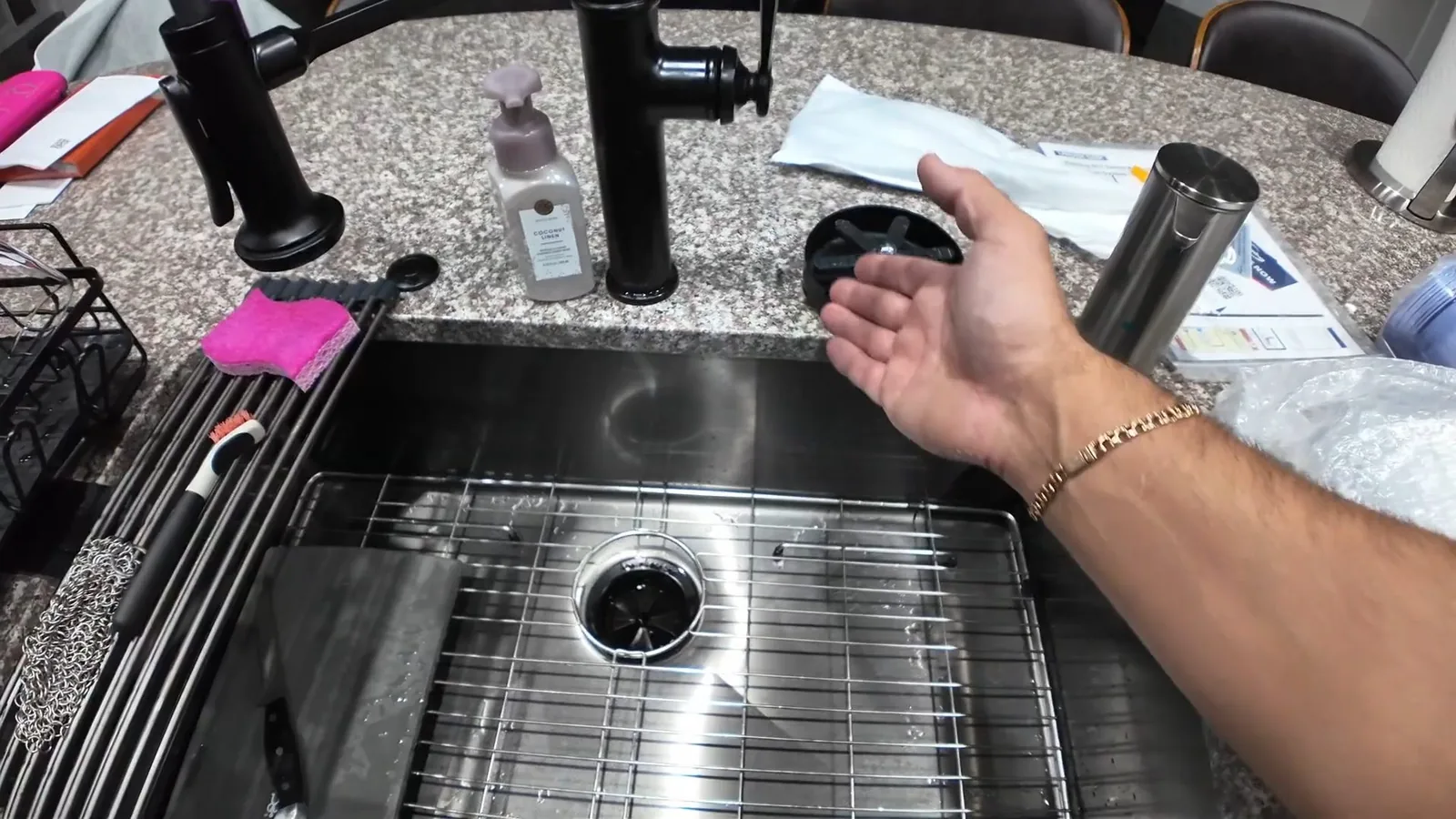
Where is the water actually coming from?
A leak near a faucet or sink can start in several places, and the spot decides the fix. Dry the area with a towel, run the water briefly, and watch where the first drop appears.
| Where it leaks | Usual cause | Fix |
|---|---|---|
| Drips from the spout when off | Worn cartridge, washer or valve seat | Replace the worn part |
| Around the handle or base | Worn seals or O-rings | Replace seals |
| Under the sink, from the supply lines | Loose or aged connections | Tighten or replace the line |
| Under the sink, from the drain pipes | Loose slip nuts or a worn trap | Reseat or replace |
| Spray hose or pull-down head | Cracked hose or failed diverter | Replace the hose or head |
| Tub spout or shower head drips | The valve behind the wall | Replace the valve cartridge |
Cartridge, washer or valve: what a drip tells you
Most modern faucets use a cartridge or a ceramic disc that wears slowly, while older ones use rubber washers. Either way, a steady drip from a closed faucet is the valve not sealing, and it will not fix itself.
The repair is often the part, not the faucet. Ask the plumber whether the model still has parts available. If it does not, or the finish is corroded and the body is pitted, a new faucet may be the better choice.
What you can do first: find the shutoff
Every sink should have two small valves under it, one for hot and one for cold. Turning them clockwise stops the water to that faucet only, which lets you keep the rest of the house running while you wait.
- Turn both valves under the sink clockwise until they stop.
- Open the faucet to confirm the flow has stopped.
- If a valve will not turn, do not force it. A stiff valve can snap, so call instead.
- If there are no valves, close the main shutoff and call.
Leaks under the sink: supply, drain or the sink itself
Put a dry paper towel against each connection and see which one gets wet. A wet supply line is a pressure problem and gets worse quickly. A wet drain pipe leaks mainly while water is running down it.
Check the cabinet floor as well. A soft, swollen or stained cabinet base means the leak has been running for a while. Clear the cabinet and look for the source before it spreads, and if the wood or wall behind it is wet, see drying a wet cabinet or wall.
Shower valve and bathtub leaks: when the wall is involved
A tub spout or shower head that keeps dripping often points at the valve behind the wall. Replacing a cartridge may be possible from the front, and other valves need the wall opened. Ask the plumber which type you have before a quote.
A bigger warning is a stain on the ceiling below the bathroom, or a bathtub that drains slowly and leaves a damp floor. The leak may be inside the wall, and the faucet is only the symptom. In that case finding a leak behind a wall comes first, and a repair second.
Tell us which fixture, where the water shows and whether the shutoff valves work. That helps the plumber bring the right parts.
Call (571) 749-1035Outdoor hose bibs: fix the drip, then protect it from the cold
A dripping outdoor spigot wastes water and can leak inside the wall. Fairfax County Fire and Rescue advises shutting off the water to outdoor faucets and draining those pipes before the cold arrives, because a frozen pipe can burst. If you find a split after a freeze, see repairing a frozen or split pipe.
Ask whether your spigot has an interior shutoff, and whether a frost-resistant type is worth fitting when the old one is replaced. Do not rely on a dripping faucet to keep a pipe from freezing, because the County says you cannot count on that method.
Kitchen faucets, sprayers and slow flow
A kitchen faucet works harder than most fixtures, so its sprayer hose and diverter wear first. If the flow from the spout is weak, or the sprayer leaks under the sink, the cause is often the hose or a clogged aerator, not the supply.
Fairfax Water reports typical hardness of 5 to 10 grains per gallon, from moderately hard to hard. Mineral buildup can clog the aerator at the tip of the spout. Unscrew it, rinse out the grit and put it back before assuming the faucet has failed. If the flow is still weak, tell the plumber what you tried.
Repair or replace the faucet
A repair makes sense for a clean, sound faucet with a worn part. Replacement makes sense for a corroded body, a model with no parts or a faucet that has leaked more than once. A new faucet is also the moment to replace worn supply lines and shutoff valves.
- Ask for the repair option and the replacement option together.
- Ask whether the supply lines and shutoffs are part of the job.
- Ask whether the sink cutout fits the new faucet, since the number of holes matters.
- Ask what happens to the old faucet.
Installing or replacing a sink: what changes the job
A new sink in the same spot with the same plumbing is a smaller job than moving it. Relocating a sink means new supply and drain lines. The City of Fairfax requires a plumbing permit to add, remove or relocate fixtures and piping, while a same-place replacement of the same kind is exempt. Ask who handles the permit if the sink is moving, and see the City's permit questions page.
A garbage disposal under the sink adds a connection, so say so if the sink has one. For a slow drain rather than a leak, clearing a slow sink drain is a separate job, and repairing a running toilet has its own page. For pricing context, see what a faucet repair usually costs.
Faucet, sink or shower leaking?
Call, say which fixture and where the water shows. A plumber serving your area takes it from there.