
Water heater repair in Fairfax
Tank Leaking or Pilot Out? Water Heater Repair in Fairfax, VA
A leaking heater or a cold shower sends most people looking for a repair, but the right move depends on where the fault is. This water heater repair Fairfax VA page helps you read the signs, run the safe checks and decide between repair and replacement.
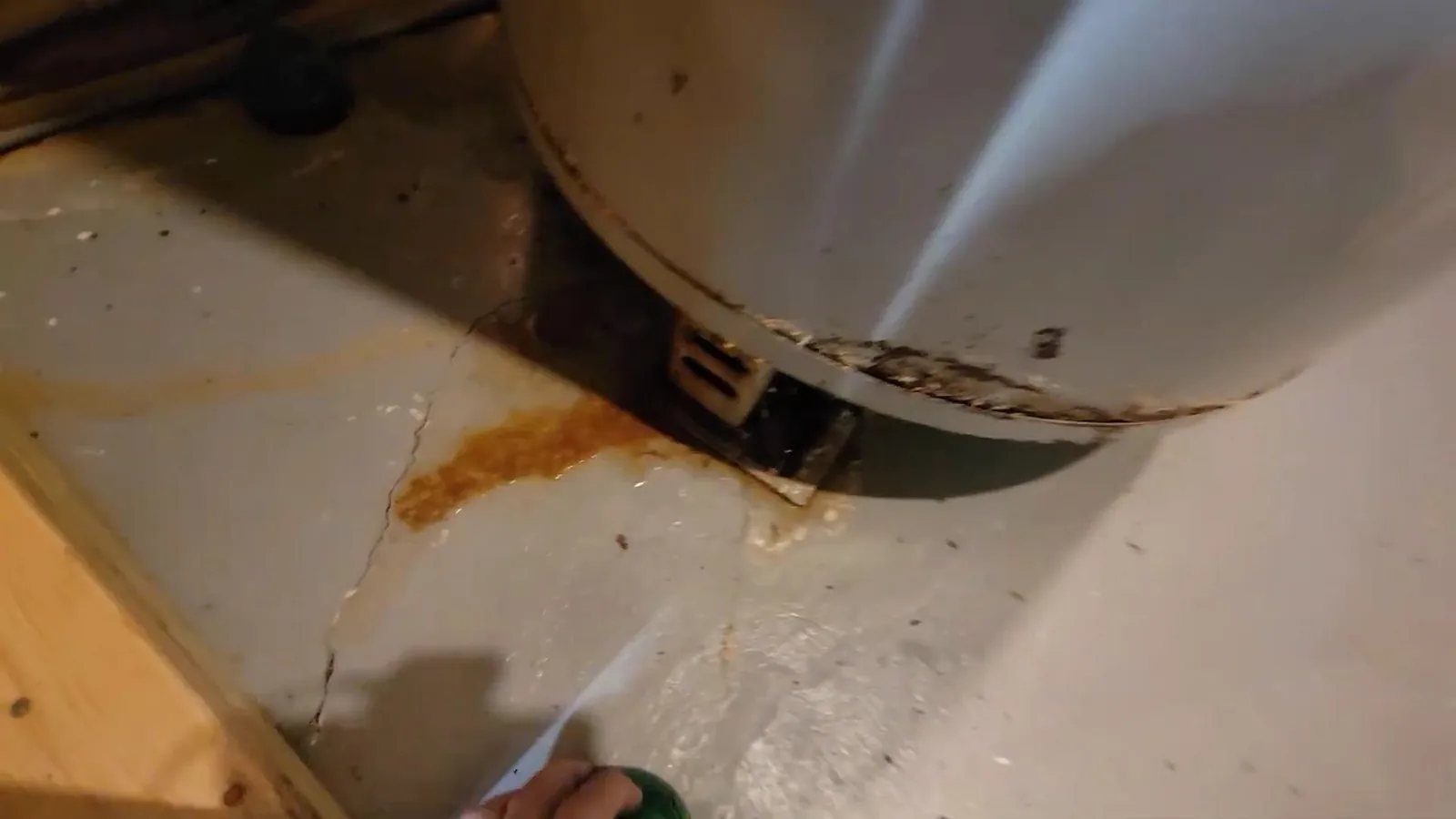
Where is the water coming from?
A wet floor near a water heater does not always mean a failed tank. The location of the leak tells you what to do next and how urgent it is.
| Where the water shows | Likely source | Usually repairable? |
|---|---|---|
| Pipe on the side or top connections | A loose or corroded fitting or valve | Often yes |
| Small pipe running from the relief valve | Relief valve opening because of pressure or temperature | Sometimes, but find out why it opened |
| Drip from the bottom drain valve | Worn drain valve | Often yes |
| Water seeping from the tank body or base | The tank itself has failed | Generally no, replacement is the decision |
Whatever you find, shut off the cold water supply valve above the heater and its power or gas, then call. Gas smell is a separate case. Leave the building, call 911, then Washington Gas at 844-927-4427 and choose option 1.
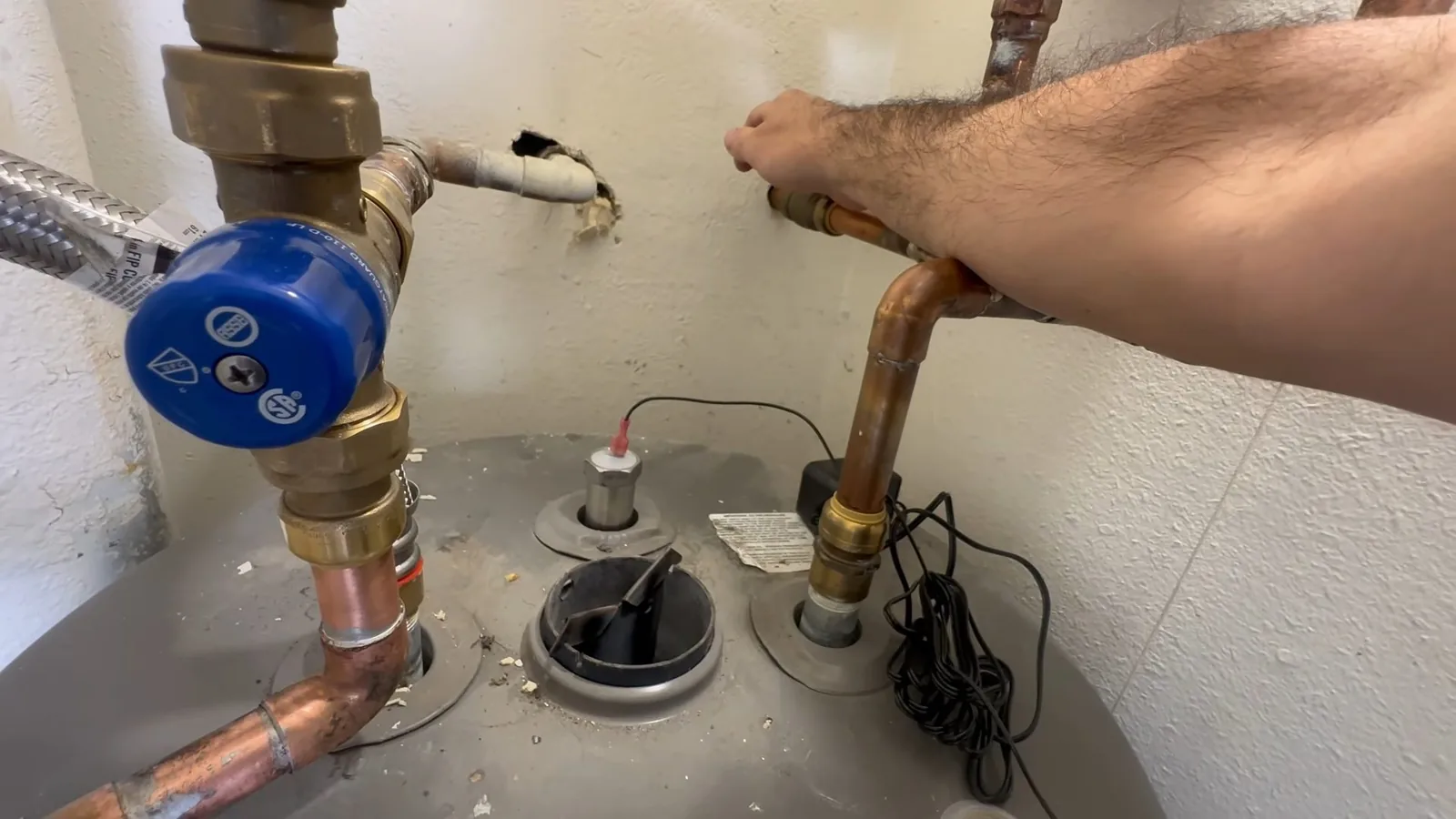
No hot water: gas and electric fail differently
Before you call, check the simple things. They take five minutes and rule out a simple fix, or tell the plumber where to start.
Gas heaters
Look at whether the pilot or igniter indicator shows the unit is running. A gas heater that will not stay lit may have a failing thermocouple, a dirty burner or a gas control problem. Do not relight a pilot if you smell gas.
Electric heaters
Check the breaker first. A tripped breaker is the easiest cause, and a breaker that trips again means a deeper electrical problem. A working breaker with lukewarm water often points to a failed heating element or thermostat.
What these checks cannot tell you is whether the tank is sound. A heater that has run out of repairs may be worth replacing, so see water heater replacement if the unit is old or the leaks keep returning.
Noise, odors and rusty water
- Popping or rumbling. Often sediment from hard water collecting at the bottom of the tank.
- Rotten-egg smell. Usually a reaction in the tank. A plumber can check whether the anode rod is involved.
- Rust-colored hot water only. Points at the tank or its fittings. If cold water is also rusty, the problem is in the pipes or supply.
- Water too hot or not hot enough. Check the thermostat setting before assuming the unit is failing.
Safety first: what should stop you from touching the heater
Some water heater problems are not repairs for a homeowner at all. Stop and call if you see any of the signs below.
- A gas smell near the heater. Leave, call 911 and then Washington Gas. Do not try to relight anything.
- Scorch marks, soot or a burning smell at the base of a gas unit, which can point to a venting or combustion problem.
- Water around the heater and wiring or an electrical panel nearby. Keep clear and shut off the power only if you can do so without standing in water.
- Steam or hot water spraying from the relief valve pipe.
The relief valve is a safety device. Water coming from it means pressure or temperature went too high, so never cap or plug the pipe. Let the plumber find out why it opened.
Hard water: a local reason heaters wear
Fairfax Water reports typical hardness of 5 to 10 grains per gallon, from moderately hard to hard. That does not mean every home has a scale problem. It does mean that sediment and scale are worth checking when a heater makes noise or loses capacity.
Ask whether a flush is part of the repair, and whether the anode rod has been looked at. The Fairfax Water hardness page gives current figures for your area.
Tell us gas or electric, how old the heater is and where the water or fault shows. That helps the plumber arrive with the right parts.
Call (571) 749-1035Repair or replace: a way to decide
A part swap makes sense when the tank is sound and the failure is a single component. Replacement makes sense when the tank body has leaked, when repairs keep repeating, or when the heater is old enough that another failure is likely.
- Ask the plumber where the failure is and whether the tank body is involved.
- Ask how many repairs the unit has had, and how the age compares with what you know about it.
- Ask for the repair option and the replacement option together, so you can compare them.
- Ask whether either choice needs a City permit.
Permits and repairs: ask before the work
The City of Fairfax requires permits when a water heater is replaced, a gas unit needing both a gas permit and a plumbing permit. A repair that swaps a part is not the same as replacing the unit, but the line can blur if the work moves piping. Ask the plumber whether your job needs a permit and who pulls it. The City's permit questions page lists the rules, and Code Administration answers questions at 703-385-7830.
What a repair visit should include
A good repair visit answers questions beyond the part that failed. Ask the plumber to tell you what failed, why it probably failed and what else they checked while the heater was open.
- The cause of the failure, not only the replacement part.
- The condition of the anode rod and the amount of sediment, where the tank allows a look.
- The relief valve and its discharge pipe.
- For a gas unit, the vent and the gas connection. For an electric unit, the wiring at the heater.
- A plain statement of how much life the unit seems to have left.
That last point is the one most people skip, and it is the one that decides whether to spend on the repair at all. A plumber who will say the tank is near the end is giving you information you need.
When a leak becomes an emergency
A heater leaking steadily onto finished flooring is an emergency, because the longer the floor stays wet, the more it costs to dry. Shut off the cold supply and the power or gas, then call. If the floor, carpet or drywall got wet, water damage cleanup covers the next step. For pricing context, what a repair costs and why is explained on the cost page.
Leak or no hot water?
Call, say gas or electric and where the water or fault shows. A plumber serving your area takes it from there.