
Hydro jetting in Fairfax
Clogs Keep Coming Back? Hydro Jetting in Fairfax, VA for Grease and Roots
When a drain clogs again soon after being cleared, the pipe wall is usually coated. This hydro jetting services Fairfax VA page explains when jetting beats a cable, why a camera comes first, how grease behaves in a kitchen line and which stretch of pipe is yours.
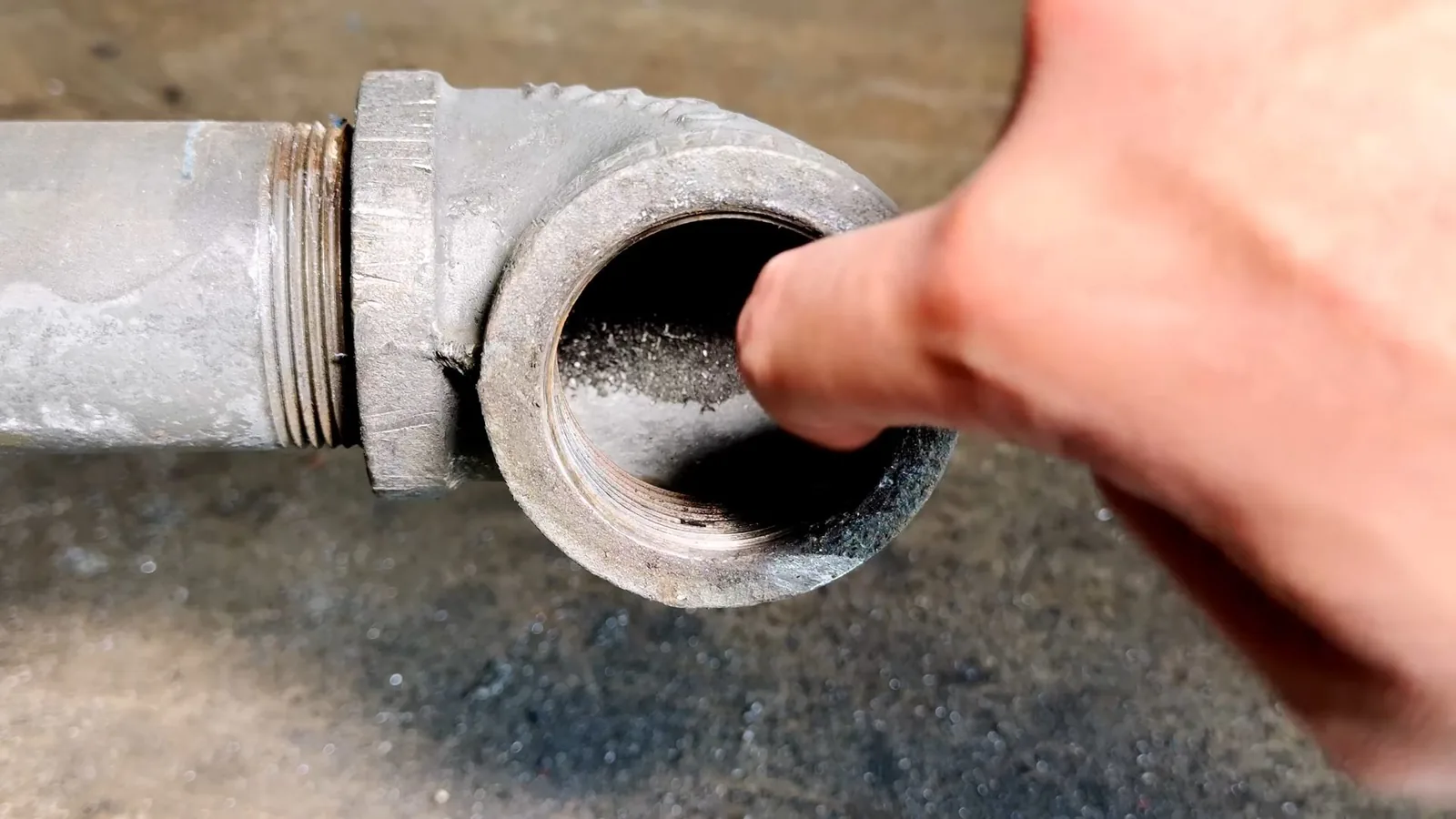
Cable or jet: what changes when a clog keeps coming back
A cable pushes through a clog and opens a hole. Hydro jetting uses pressurized water to scour the inside wall of the pipe, so it removes the coating that caused the clog instead of just boring through it. When a drain has been cleared several times and clogs again, the coating is usually the reason.
That is the whole case for jetting, and it is also its limit. If the pipe itself is broken, jetting does not repair it. For a one-time clog in one fixture, the simpler tools described under clearing a stubborn clog are usually enough.
Signs a line needs scouring, not another snake
- The same drain slows again within weeks of being cleared.
- Several fixtures drain slowly, with gurgling when another one empties.
- A kitchen line that smells even after it is clear.
- A cable passes through the clog but pulls back greasy, sludgy debris.
- A camera shows a narrowed pipe with a thick coating on the walls.
The last sign is the clearest. A camera that shows what is inside the pipe turns a guess into a decision, and the recording tells you whether jetting makes sense.
Camera first: jetting is only for a pipe that can take it
High-pressure water is useful in a sound pipe and unwise in a broken one. Before jetting, ask the plumber to run a camera through the line. It shows cracks, offsets, collapsed sections and roots, and it shows whether the pipe can take the pressure.
If the camera finds damage, the job changes from cleaning to repair. That is covered under repairing a damaged sewer line. Ask for a second camera pass after jetting, so that you can see the clean pipe for yourself.
Grease: why kitchen lines clog hardest
Fairfax County Public Works says in its guide to preventing sewage backups that fats, oils and grease do not dissolve in water. They stick to the inside of pipes, and the guide names grease buildup in private and public sewer lines as a major cause of backups and odors.
The same guide says hot water and detergent do not dissolve grease. They only push it further down the pipe, where it sticks and builds up. That is worth knowing, because running hot water after a greasy pan feels like the right habit and does not solve the problem.
- Wipe grease from pans and plates with a paper towel and put it in the trash.
- Collect cooking grease in a can and throw the can away when it is full.
- Put food scraps in the trash instead of down the sink.
- Skip harsh chemical drain cleaners, which the guide says can eat away at pipes over time.
Tell us which drains are slow, how often they clog and whether a camera has been through the line. We will route you to a plumber who has jetting equipment.
Call (571) 749-1035Which stretch of pipe is being cleaned?
A jetting job can clean one branch, the main drain inside the house or the lateral that runs to the public sewer. The City of Fairfax states that property owners are responsible for the lateral all the way to the main in the right-of-way. A clog there is the owner's to clear, wherever it sits.
A camera recording of the lateral is useful beyond the cleaning. The City's reimbursement program for lateral repairs asks for one before work, and it can show whether a recurring clog is a buildup or a failing pipe. These rules apply to City addresses, so a county address should confirm which authority applies.
Roots, scale and other things jetting can handle
Grease is only one cause. Roots can enter a line at a joint, mineral scale can narrow older pipe and sludge can collect at a low spot. Jetting can clear many of these, because moving water scours the pipe wall in every direction.
Root regrowth is the exception. If roots entered through a crack or an open joint, clearing them does not close the opening, and they tend to return. That is the point at which the camera recording becomes the basis for a repair decision, such as the lining methods explained on lining a pipe instead of digging.
What to expect during a jetting visit
- The plumber confirms access, usually at a cleanout in the yard, basement or crawl space.
- A camera runs through the line to check its condition before any pressure is applied.
- A hose with a nozzle goes in, and pressurized water scours the pipe as it is pulled back.
- Debris flushes through the line, and the plumber may use a cable to retrieve what remains.
- A second camera pass confirms the pipe is clear, and you get a copy of the recording.
Water and debris may come up at the cleanout, so clear space around it. Ask the plumber what protection will be used if the work happens indoors.
After the line is clear: keeping it that way
A scoured pipe starts with a clean surface, and what goes down it decides how long that lasts. Kitchen habits matter most, because grease is the usual coating. Bathroom lines suffer from wipes and other items that look flushable and are not.
Ask the plumber to recommend an interval for the line, based on what the camera showed. A line that clogged from grease may need attention sooner than one that clogged from a one-time event. If the answer is that it should never need doing again, ask why, because a coated pipe can coat again.
When jetting is not the answer
Jetting does not fix a belly in the pipe where water sits, a joint that has come apart or a section that has collapsed. In those cases the line holds debris because of its shape, and cleaning only delays the next backup. A camera shows the difference between a dirty pipe and a damaged one, and the plumber should tell you which you have.
Questions to ask before you agree to jetting
- What did the camera show, and why is jetting the right tool?
- Will the pipe be inspected again afterward, and will I get the recordings?
- What happens if the camera shows damage?
- Does the quote cover one drain or the whole line?
- What should I change in the kitchen so the line stays clear?
A jet can leave a line spotless and still not fix the cause, so ask what the plumber would do about the cause. For why jetting prices differ, see what moves a jetting price. A backup that is already filling a tub or floor drain belongs with the urgent calls page first.
Same drain clogging again?
Call, say which drains are slow and how often they clog. A plumber serving your area takes it from there.