
Water leak detection in Fairfax
Bill Too High or Wall Damp? Water Leak Detection in Fairfax, VA
A higher bill or a damp spot means water is going somewhere, and the meter can tell you whether. This page walks through the meter test Fairfax Water describes, the signs of a hidden leak, how plumbers locate one and what paperwork to keep.
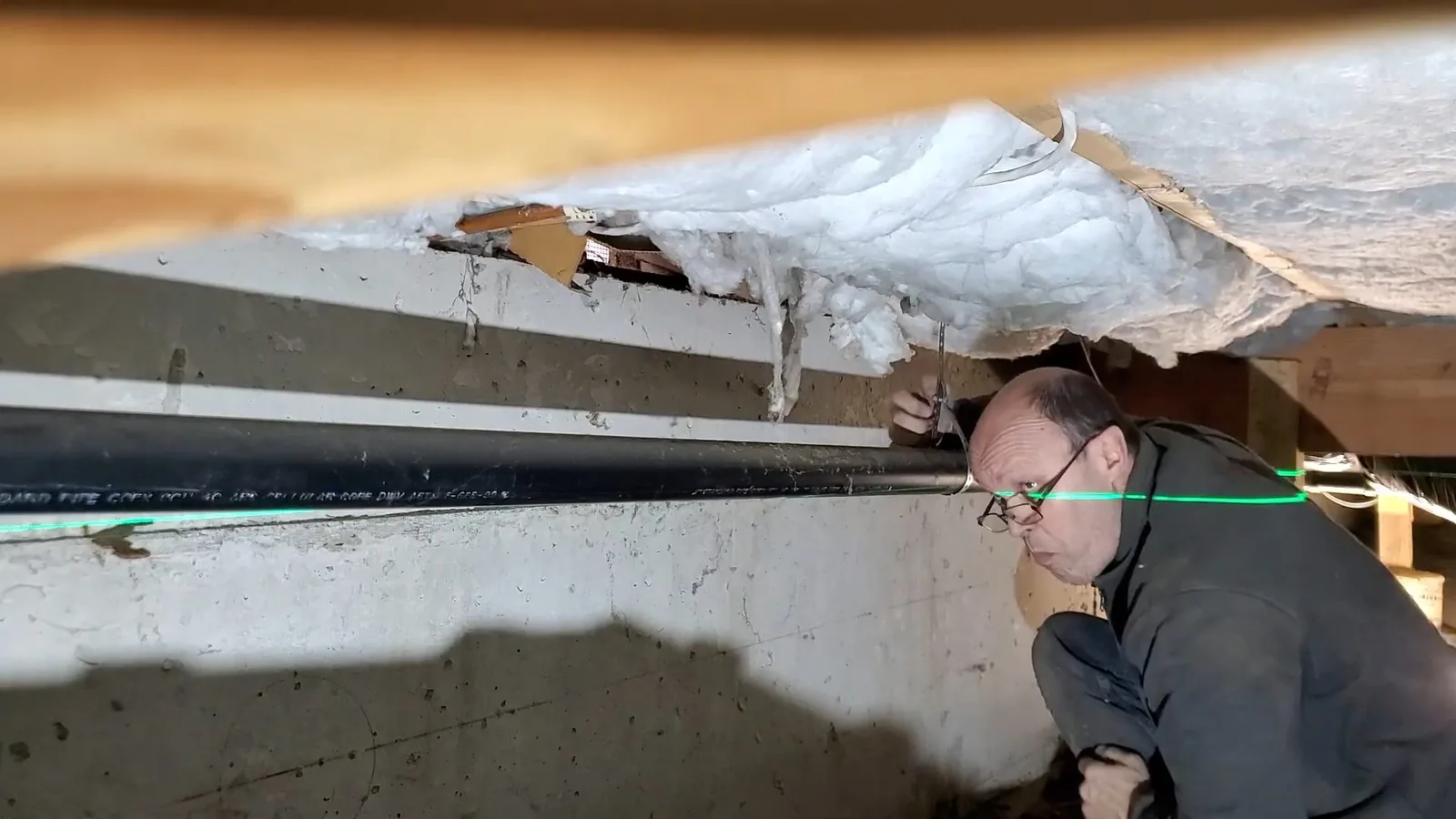
Is it really a leak? Start with the meter test
A water bill that went up does not prove a leak, and a meter does not lie. Fairfax Water describes a no-use test that anyone can run in fifteen minutes. It tells you whether water is moving through the meter when nothing should be using it.
- Turn off every faucet and appliance that uses water.
- Note the current gallon count on the meter.
- Wait at least 15 minutes without using any water.
- Read the meter again. If the number changed, water is going somewhere.
For a slow leak, Fairfax Water suggests reading the meter at bedtime and again when you wake, before anyone uses water. The test cannot tell you where the leak is, only that one exists. The full steps are on the Fairfax Water detecting leaks page.
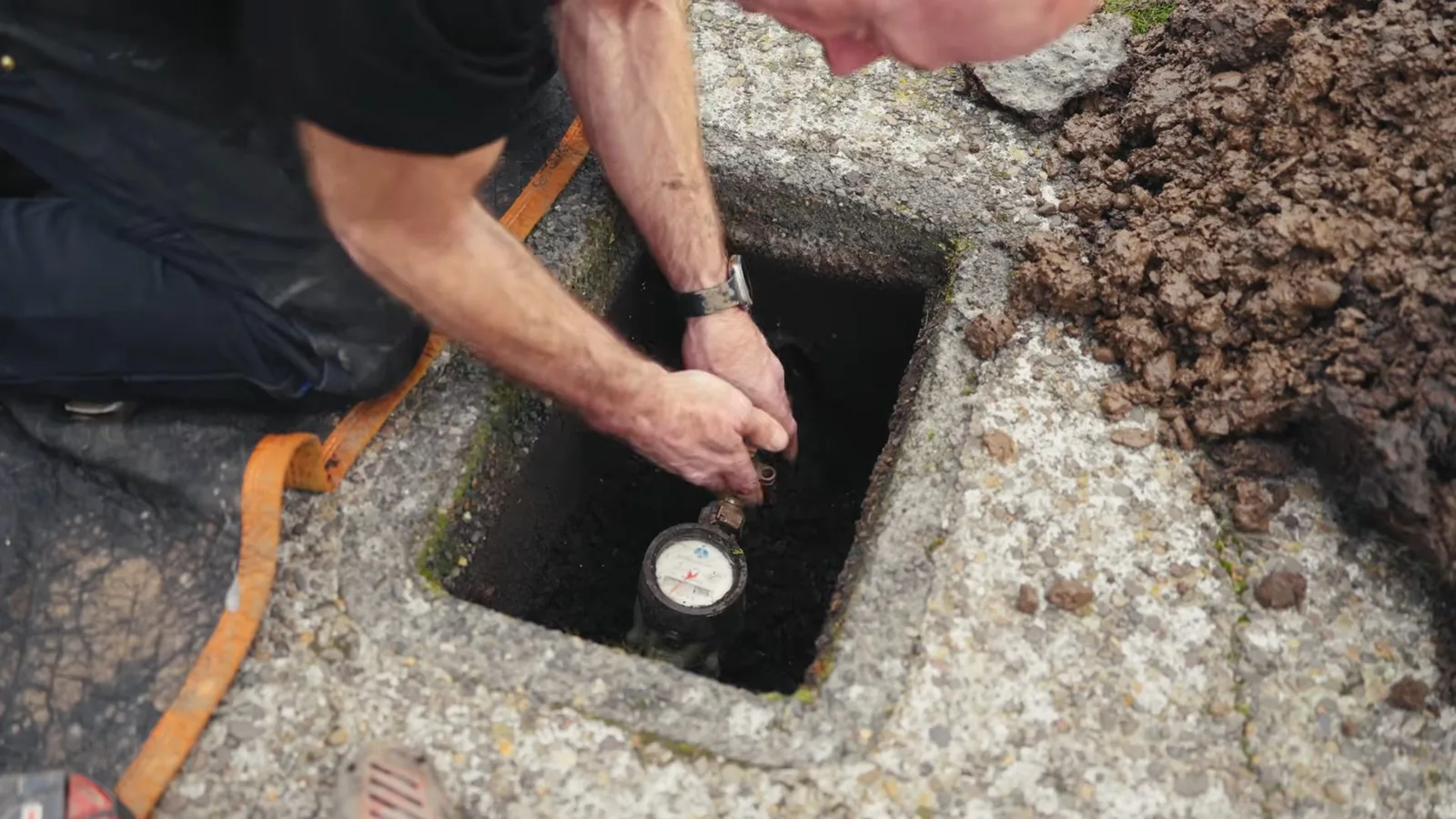
Meter still runs with the main off: a leak before the valve
If the meter is outside and you find no indoor leaks, close the main valve inside the house, then open a faucet to confirm the flow stops. Check the meter again. Fairfax Water says that if it still runs, there is a leak somewhere in your plumbing between the meter and the valve.
That stretch often includes the service line, buried underground. It is a plumber's job, and a hidden underground leak is exactly what detection equipment is for. Tell the plumber what the test showed, because it narrows the search.
Signs a leak is hiding
- A bill that rose without a change in how you live.
- The sound of running water when everything is off.
- A damp or musty smell in a room, closet or crawl space.
- A stain or bubbling paint on a wall or ceiling.
- A patch of floor that feels warm or damp, or a flooring seam that is lifting.
- Water pressure that has dropped for no clear reason.
Several of these, together, matter more than one. Photograph each sign with the date. Small leaks cost money before they cause damage, so a stain you can see is usually a leak that has been running for some time.
Hidden leak sources to check: water heater, appliance hoses
Leaks tend to start in the same places. Checking them before a plumber arrives can shorten the search.
- Water heater. Look for moisture on the floor or rust at the connections. See checking a water heater for leaks.
- Appliance hoses. Washing machine and refrigerator supply hoses can seep behind the appliance.
- Under sinks. A damp cabinet floor is a slow leak that has been running a while.
- Outdoor spigots and irrigation. A wet patch of lawn near a line may be a leak.
- Bathrooms. A damp ceiling below one points at a tub, shower or toilet connection.
Pinhole leaks in copper pipe
Copper that has worn through in tiny spots can spray a fine mist or leave a damp patch with no obvious break. One pinhole is a repair. Several, or a second leak in a short time on the same pipe, suggests the pipe itself is failing. In that case ask whether replacing the old pipe throughout the house deserves a quote beside the repair.
Check the toilets before paying to search
A toilet that leaks into its bowl is among the most common hidden leaks, and it is quick to rule out. A dye test takes about twenty minutes and needs no tools. Our page on testing and fixing a leaking toilet walks through it. Fixtures such as dripping faucets and shower valves are also worth a look.
Tell us what the meter test showed and where you see signs of water. That tells the plumber where to start.
Call (571) 749-1035How plumbers find a leak you cannot see
Finding a leak is detective work. The plumber combines your information with listening, measuring and sometimes scanning, so that as little as possible is opened.
- Acoustic listening. Sensitive microphones pick up the sound of water escaping from a pressurized pipe.
- Pressure testing. Sections of pipe are isolated and tested to see which one loses pressure.
- Thermal imaging. A camera shows temperature differences that can reveal a hot water leak behind a surface.
- Camera inspection. For drain lines, a camera shows cracks and breaks directly.
Ask which method will be used and why. Ask for a written note of where the leak is, the photos and what repair was done. That paperwork matters for the next section.
Fairfax Water's one-time leak adjustment: what to keep
Fairfax Water offers a one-time courtesy adjustment for unusually high charges caused by a leak. To qualify, the leak has to be repaired promptly, you must provide written proof of the repair such as a receipt or invoice, and you must not have received the adjustment in the previous five years. Only one billing period is adjusted, and the amount is capped.
Keep the plumber's invoice with the date and the description of the repair. The request goes through the utility's form, and the detecting leaks page explains the process. If you are unsure, Fairfax Water customer service at 703-698-5800 can answer questions about checking for leaks.
Gas, roof, pool and irrigation leaks: who handles what
This page covers water leaks. A smell of gas is a different matter. Leave the building, call 911, then call Washington Gas at 844-927-4427 and choose option 1. After the utility has made the area safe, the plumbing side of gas leaks covers the plumbing side.
A leak that shows in a ceiling may come from the roof or gutters instead of a pipe. A plumber can tell you whether the water is from the plumbing, and a roofer handles the rest. Pool and irrigation lines are also detection jobs, so say which line you suspect when you call.
After the leak is found
A found leak is fixed, then dried. A pipe that has split is covered under repairing a split pipe, wet materials under water removal and drying, and a leak under a concrete floor under slab leak repair. For pricing context, how leak detection is priced is explained on the cost page.
High bill or damp spot?
Call, say what the meter test showed and where you see signs of water. A plumber serving your area takes it from there.