
Water damage restoration in Fairfax
Dry It Before Mold Starts: Water Damage Restoration in Fairfax, VA
After a leak or flood, the first day or two decide how much has to come out. This page covers stopping the source, what removal and drying involve, which materials usually stay, what to do about sewage and mold, and what is not included.
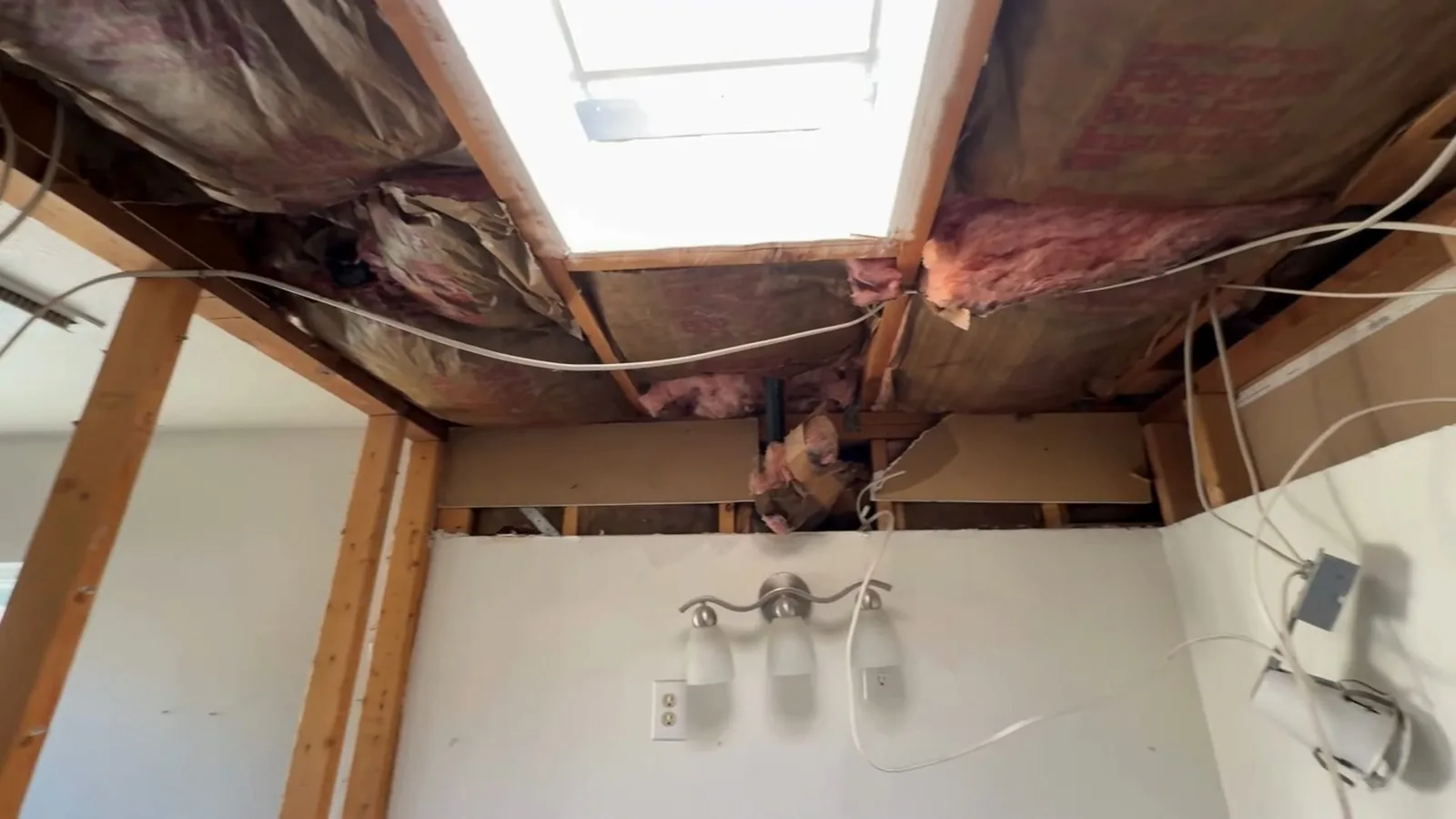
Water damage: the first 24 to 48 hours decide what is removed
EPA says water-damaged areas and items should be dried within 24 to 48 hours to prevent mold growth, and that dried materials in most cases will not grow mold. That window is the reason to act the same day instead of waiting to see how bad it looks.
What you do before anyone arrives matters. Stop the source, keep people and pets out of the wet area, and photograph everything before it is moved. Do not run a household vacuum on standing water, and stay away from outlets and appliances that sit in water.
Shut off the water source before any drying starts
Drying a room while the leak is still running is wasted effort. Close the main shutoff and find where the water came from.
- A split or burst pipe: see repairing a burst pipe.
- A slow leak that has been soaking a wall: locating the leak before drying comes first.
- A sewage backup: the cause sits in the line, covered under sewer line repair.
- A leaking water heater: fixing the heater that leaked or replacing it comes before drying.
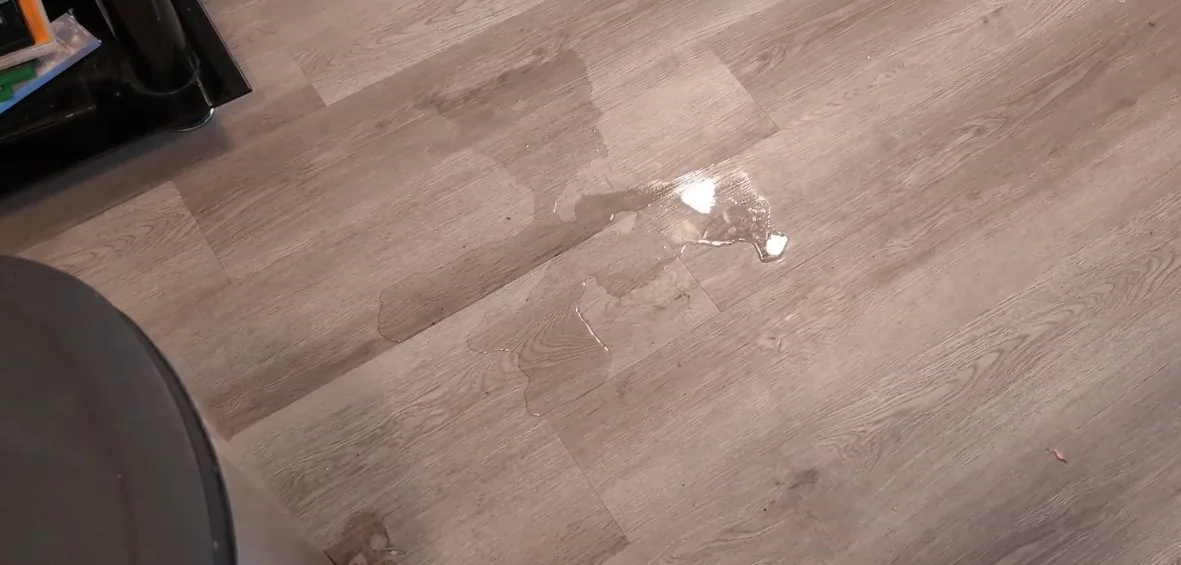
What water removal and drying involve
Restoration here means removal and drying. The work follows a plain sequence.
- Remove standing water with pumps or extractors.
- Take out materials that cannot be saved, such as soaked padding or wet insulation.
- Set air movers and dehumidifiers, and check moisture levels in walls and floors with a meter.
- Recheck until the readings return to normal for the materials.
Ask how drying will be checked. A room that feels dry may still hold moisture behind baseboards or under flooring, and the readings are how you know.
Wet carpet, hardwood, drywall and ceilings: dried or removed?
| Material | What often happens |
|---|---|
| Carpet | Surface can sometimes be dried; the pad underneath is usually removed |
| Hardwood and laminate | May be dried in place if caught early; cupping or buckling can mean removal |
| Drywall and ceiling | Wet sections are often cut out; sagging ceilings come down |
| Insulation | Wet insulation is commonly removed |
| Tile and concrete | Usually dry out, but check what sits beneath them |
These are general patterns, not a verdict on your floor. The decision depends on how long the material stayed wet and what kind of water it was. Ask the crew to explain why each material is staying or going.
Clean water, gray water or sewage: why the source matters
Water from a supply pipe is a different problem from water that came up through a drain. EPA recommends bringing in a professional who has experience with buildings damaged by contaminated water when the damage comes from sewage. Do not clean sewage-soaked materials yourself.
If sewage backed up, say so as soon as you call. Porous materials that touched it, such as carpet and padding, are generally removed instead of dried, and the cause has to be fixed before drying begins.
Describe what got wet, how long ago and whether the water has stopped. Water damage calls go to this dedicated line.
Call (888) 681-3447Preparing a water-damaged room before the crew arrives
Lift small items off wet floors and take photographs first. Pull up loose rugs if you can do so safely. Leave heavy furniture alone unless you can move it without straining, because the crew can lift it.
Do not turn on ceiling fixtures or fans under a wet ceiling, and keep out of any room with a sagging ceiling. If water is near the panel or outlets, stay clear and call 911 or the electric utility. Open windows only if the weather is dry and it is safe.
How long drying takes
Drying is measured in days, not hours. It depends on how much water there was, how long it sat, what the materials are and how humid the house is. Equipment runs until the moisture readings return to normal for each material.
Ask for the readings at the start and when the equipment comes out. A clear record of both is the best proof that the job is finished.
Mold after water damage: removal, not testing
If materials stayed wet past the drying window, mold can start. EPA says a patch of about 10 square feet or less, roughly three feet by three feet, can usually be cleaned by the homeowner following its guidance, while larger growth calls for more care.
This service covers removing mold-affected materials after water damage. It does not include mold testing. Ask what the crew will remove, how they will contain dust, and what must be dry before anything is rebuilt.
What is not included: rebuilding and insurance
Restoration stops at removal and drying. Replacing drywall, flooring, paint and trim is reconstruction, which is separate work. Plan for that after the structure is dry and documented.
Insurance coverage depends on your policy and the cause of the damage, so ask your insurer what it covers instead of assuming. Photographs from before and after, the moisture readings and the invoice are the records most claims ask for. The emergency plumbing checklist includes what to photograph.
Questions to ask the drying crew about removal and records
- What will be removed, and why that material instead of drying it?
- What equipment will run, and how will drying be measured?
- How will you handle dust and odors while it runs?
- What does this service not include?
- What records will I receive when the job ends?
Water damage in commercial and multi-unit buildings
If the building is commercial or has several units, say so when you call. Who owns the damaged space, and who pays for the repair, changes with the building. Other units or tenants may also be affected, and the plan may need to include them.
For pricing context, what moves a water damage bill is covered on the cost page, and questions about water damage and leaks are answered on the FAQs page.
Water in the house?
Call the water damage line, say what got wet and how long ago. The call goes to the line that handles water damage.