
Water heater installation in Fairfax
Gas, Electric or Hybrid? Water Heater Installation in Fairfax, VA
Replacing a water heater means choosing a fuel, a size and a plumber, and in the City of Fairfax it also means permits. This water heater installation Fairfax VA page lays out each decision and what to ask so the quote covers the whole job.
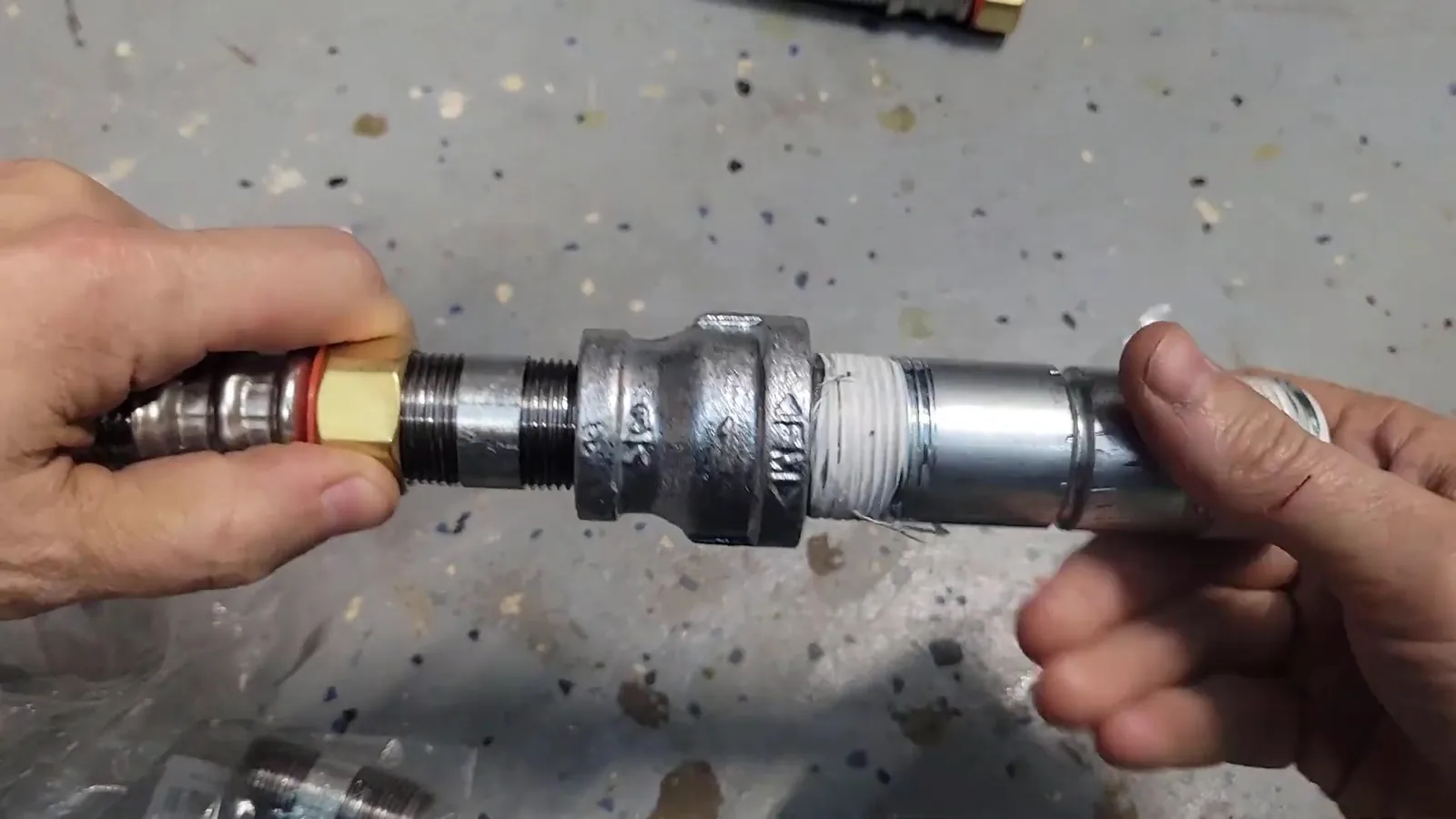
Is the old tank past repair?
Most replacements start with a failure, not a plan. Before you spend on a new unit, check whether the old one has really reached the end.
- Water on the floor from the tank body. A leak from the tank itself generally cannot be patched. Leaks at fittings or the relief valve are different and may be repairable.
- Rust-colored hot water. It can mean the inside of the tank is corroding.
- Repeat repairs. A second or third part failure in a short time is a reason to price a replacement.
- Little hot water despite working parts. Heavy sediment can cut capacity.
If a single part failed on a sound tank, repairing the heater you have may be the better decision. Ask the plumber to tell you which case you have before quoting.
Gas, electric or hybrid: what your house can take
The fuel you have now is the easiest to keep, and changing it adds work. The table lays out what each option asks of the house.
| Type | What the house needs | Worth asking |
|---|---|---|
| Gas tank | A gas line, a vent for combustion gases and enough air | Who tests the gas connection and checks the vent |
| Electric tank | A dedicated electrical circuit of the right size | Whether the existing circuit and wiring are suitable |
| Hybrid (heat pump) | Open space around the unit, a condensate drain and, on most models, a 240-volt circuit | Whether the room stays cool and the unit's fan noise is acceptable |
A hybrid unit pulls heat from the surrounding air, so it cools the room it sits in and needs room to breathe. It does not suit a small closet. If you are weighing a tankless model instead, the page on tankless water heaters covers that choice.
If you are leaning toward a hybrid, check three practical points before you buy. The unit needs a drain for condensate and enough open space around it for air to move. It usually needs a 240-volt circuit. And because it is electric, ask whether the electrical and plumbing permits the City lists for electric units apply. Hybrids typically cost more to buy than a standard electric tank, so ask the plumber to compare running costs for your household rather than assuming the saving.
Sizing a water heater: first-hour rating and household use
A tank that is too small runs out mid-shower, and one that is too large costs more to buy and keeps extra water hot. Start from how your household actually uses hot water, not from the size of the old tank.
Tank heaters carry an EnergyGuide label that lists a first-hour rating, the amount of hot water the unit can deliver in its first hour. Compare that number with your busiest hour, such as two showers and a dishwasher running together. Ask the plumber to explain the choice instead of simply matching the old size.
Permits in the City of Fairfax: who pulls them and which ones
The City's permit rules treat water heaters by fuel. A natural gas unit needs a gas permit and a plumbing permit. An electric unit needs electrical and plumbing permits. A fuel oil unit needs mechanical and plumbing permits and a fire prevention code permit. These rules apply to addresses inside the City, and the county rules are not the same.
Ask the plumber who applies for each permit and whether the quote includes it. Questions about what a permit covers go to Code Administration at 703-385-7830, and the City's permit questions page lists the details.
Tell us the fuel, the age of the heater and where it sits. Those three details shape the quote.
Call (571) 749-1035Hard water and the tank you are about to buy
Fairfax Water reports typical hardness of 5 to 10 grains per gallon, from moderately hard to hard, and it varies by location and rainfall. Scale from hard water collects at the bottom of a tank and on heating surfaces, which is why tank maintenance matters.
Ask three things about the new unit: whether you should flush the tank on a schedule, whether it has a replaceable anode rod, and how the plumber would check both later. The Fairfax Water hardness page has the current figures for your area.
Expansion tank and the other parts of a proper install
A water heater replacement is more than swapping the tank. Several parts around it decide how long the new unit lasts and how safely it runs.
- Expansion tank. Heated water expands. On a closed system, which has a check valve or pressure reducing valve on the incoming line, that extra volume needs somewhere to go. Ask whether yours is closed and what the code requires.
- Relief valve and drain line. The temperature and pressure relief valve needs a discharge pipe that points somewhere safe.
- Shutoff and flex connectors. Old valves that will not close are cheaper to replace now than later.
- Venting and gas connection. For a gas unit, ask who checks the draft and tests the gas joints for leaks.
- Drain pan. Ask whether one is warranted where the heater sits above finished space.
What the quote should list
Quotes that name only a tank size and a brand leave gaps. Ask for the unit's model, what comes out and goes in, which permits are included, and what is included in disposal of the old tank.
Also ask what happens if the plumber finds a problem behind the old heater, such as a corroded fitting or a missing shutoff. Knowing that before work starts avoids an argument halfway through. Prices are confirmed after the plumber looks at the install, so typical price ranges are for orientation, not a quote.
Planning the install day
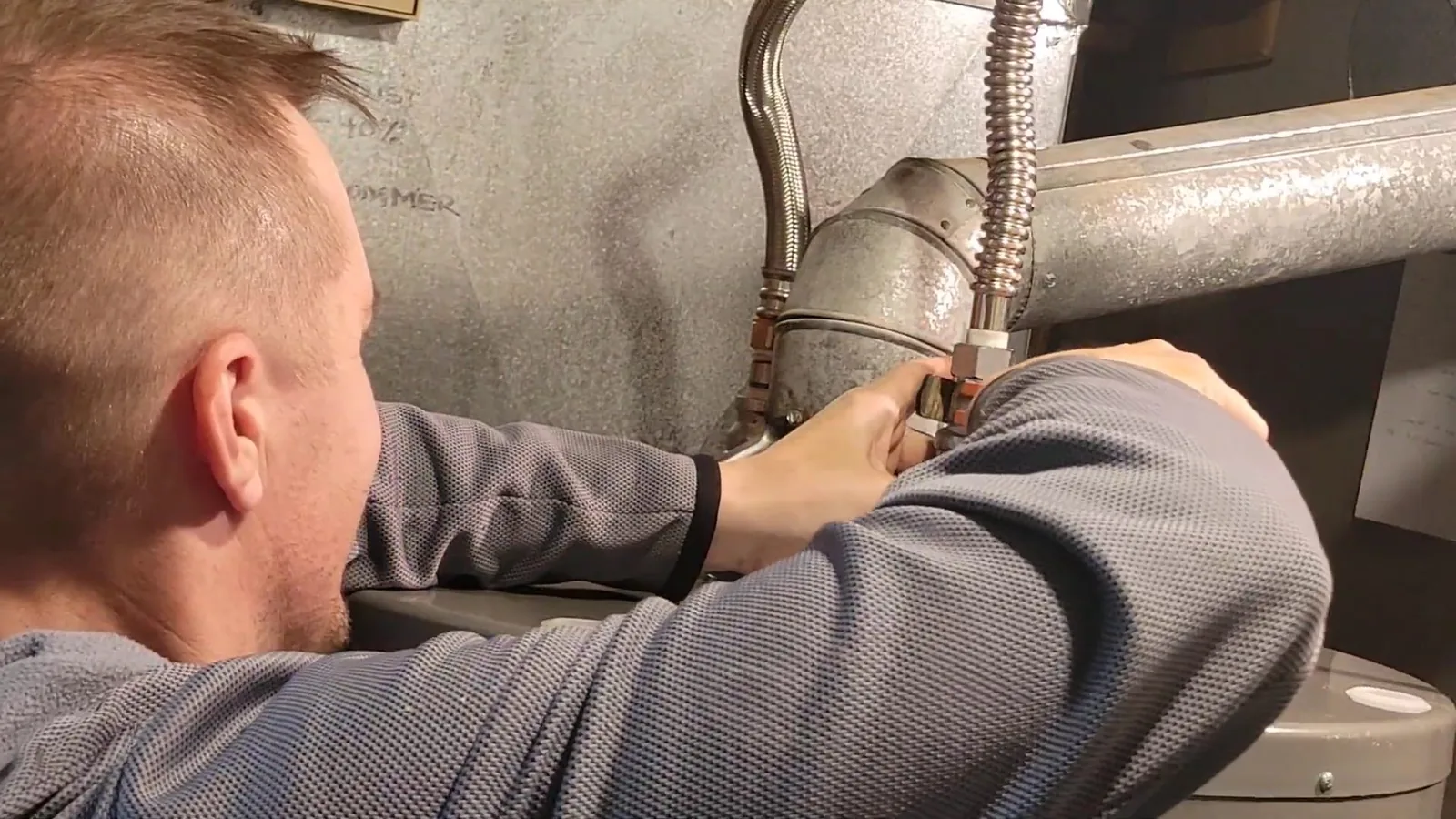
A replacement usually means the water is off for part of a day, so plan showers, laundry and dishwashing around it. Clear a path to the heater and move anything stored near it. If the heater sits in an attic, closet or crawl space, tell the plumber about the access before the visit.
Ask what happens to the old tank. Some plumbers haul it away and others leave it. Also ask what the plumber will test before leaving: a gas joint check, a look at the vent, the relief valve discharge and hot water at a faucet are all fair things to expect.
If the heater already failed overnight
A tank that has split can put a lot of water on the floor quickly. Shut off the cold water supply to the heater and its power or gas, then call. If the floor and walls are soaked, see drying out after a leak and emergency plumbing help for the first steps.
Replacing a water heater?
Call, give the fuel, the age and where the heater sits. A plumber serving your area takes it from there.